
Can You Frontload Your Immunity Ahead of Christmas Party Season?


With the festive season on the cusp of kicking off, there’s a good chance you’re staring down a packed Google calendar of social plans and wondering (or panicking) about how you’re going to manage it all without getting struck down by a Christmas cold.
When you’re flitting from office soiree to pub drinks, drinking more than usual and running low on sleep, your immune system can take a serious knock, making it more likely you’ll end up bed-bound with an infuriating case of the sniffles.
But with studies suggesting that diet and lifestyle are the cornerstones of good immunity, how much can you pre-empt the war against winter bugs? And are there steps we can take now to lower our chances of getting sidelined with the flu later in the month?
We asked nutritionist Rob Hobson, author of Unprocess Your Life, to share all your need-to-knows…
Can you actually ‘boost’ or ‘front load’ your immunity?
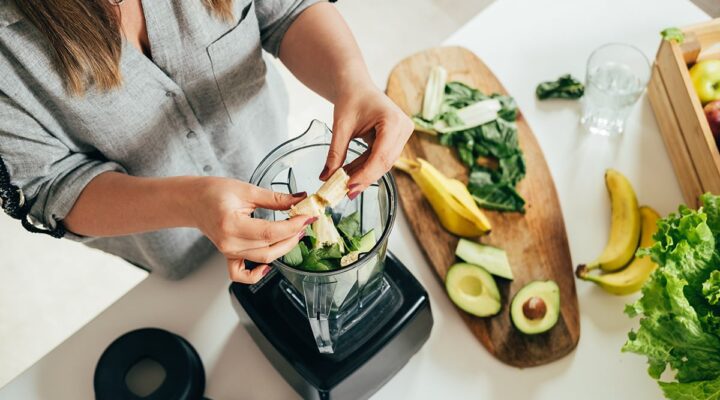
Virtuous social media posts would have us believe that immunity is something we can supercharge with a week of chugging raw juices – but that’s wishful thinking, believes Hobson. “You can’t supercharge your immune system in the way marketing often suggests, and you definitely can’t ‘front load’ it to become temporarily invincible,” he explains.
At its most basic, immunity is a system that relies on long-term habits. Instead of thinking about sick season as something you can hack in the short-term, Hobson recommends taking long-term steps to support its function. “That means getting adequate sleep, managing stress, eating a nutrient-dense diet, staying active and avoiding smoking,” he explains.
If you’re deficient in key nutrients such as vitamin D, zinc, or selenium, correcting those deficiencies can make a meaningful difference, too. “But this is about bringing your immunity back to normal, not boosting it above normal,” Hobson reminds.
With around 70% of the immune system sitting within the gut, it pays to think about what’s on your plate. “The microbiome trains immune cells, regulates inflammation and helps form your first line of defence – and it responds best to consistency, rather than three-day gut resets,” says Hobson. “Fibre, polyphenols, fermented foods and lots of plants are all great for feeding your good bacteria.”
How long does it take for changes to meaningfully affect your immunity?
It depends, but some things shift faster than you think.
“Immune markers such as natural killer cell activity can change within 24 to 48 hours of improved sleep,” says Hobson. “Stress management works on a similar ‘quick win’ timeline – while long-term stress weakens immunity over weeks to months, simple relaxation techniques can drop cortisol levels almost immediately.”
Dietary tweaks also start making a difference within days to weeks, Hobson reckons, especially if you were running low on key nutrients like vitamin C. “With vitamin D, the timeline is a bit slower though,” he notes. “If you’re deficient, supplementation usually takes about 4 to 8 weeks to create a meaningful rise.” And of course, exercise gives you an instant immune-supporting lift when it’s moderate, though pushing yourself too hard can have the opposite effect.
Which foods and nutrients have the strongest evidence for supporting immunity?
Despite the wellness world’s love for obscure ingredients, the nutrients with the most robust evidence remain delightfully ordinary. As Hobson notes, several are formally recognised by EFSA for supporting normal immune function.
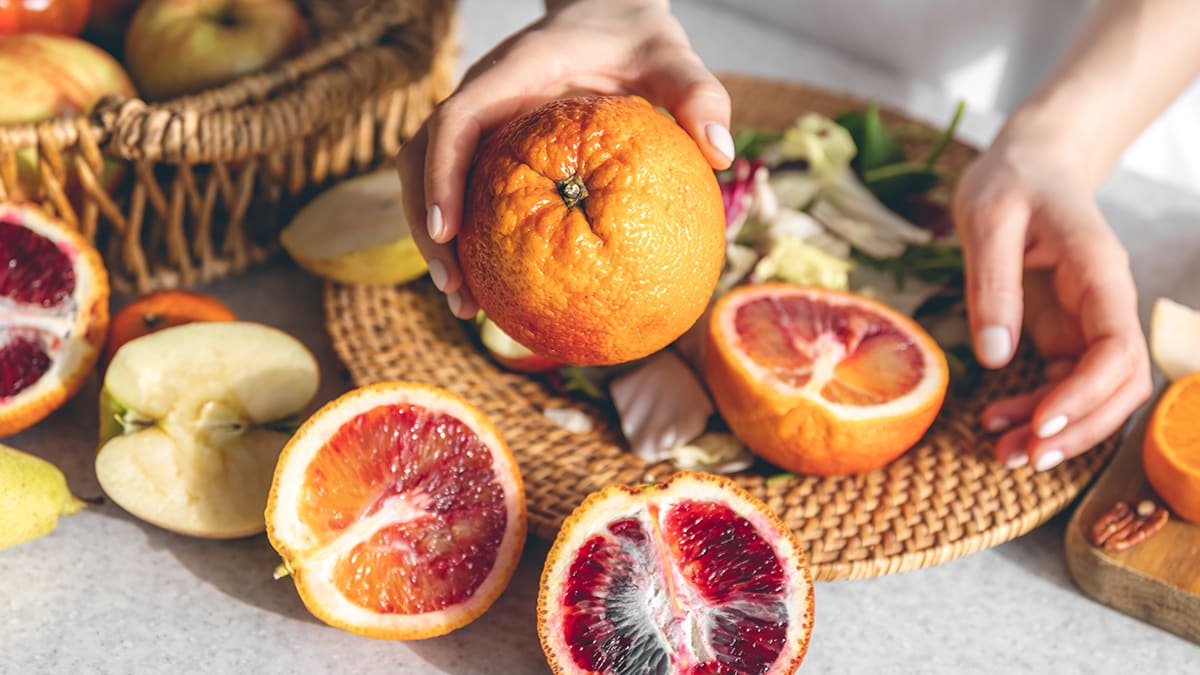
“The best place to start is with vitamin C,” says Hobson. “You’ll find it in many classic weekly shop staples, including citrus fruits, berries, peppers and broccoli.” He adds that vitamin D is another major player, especially in winter, when most of us have to rely on supplements because sunlight is in short supply.
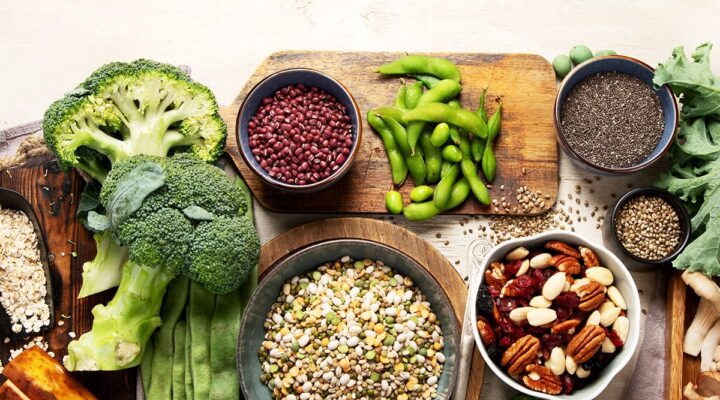
“Zinc is important too,” he explains. “Pumpkin seeds and legumes are your go-to sources.” Plus, there’s selenium, which Hobson points out is “surprisingly easy to get with just a couple of Brazil nuts.”
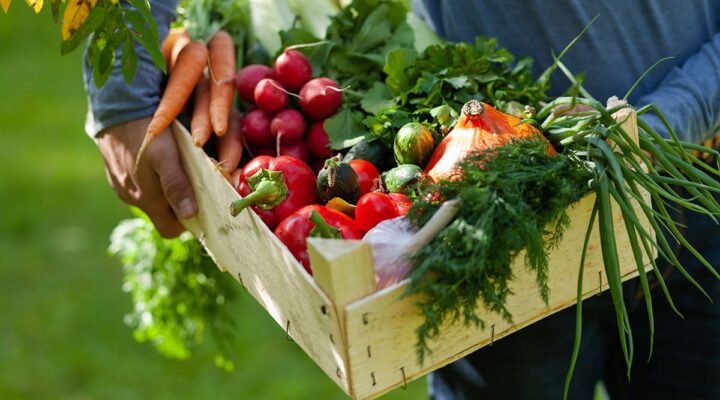
He also highlights vitamin A, found in bright orange vegetables that look like autumn on a plate. “Don’t forget lots of protein sources too,” he adds, “as your body can’t magic up disease-fighting antibodies out of thin air.”
Obsessing over single hero ingredients is a poor man’s strategy though. “It’s your overall dietary pattern that makes the real difference,” Hobson says. A Mediterranean-style way of eating – full of plants, fibre, healthy fats, legumes and whole grains – is a decent pattern to follow, as it’s consistently linked with stronger immune resilience in peer-reviewed studies.
How does alcohol play a role?
When it comes to immunity, the effects of a boozy night out kick in faster than most people realise. “Within hours of heavy drinking, the number and activity of natural killer cells and lymphocytes drop,” Hobson warns.
“The gut barrier becomes leakier, inflammation ticks upward, and acetaldehyde (aka, the toxic byproduct of alcohol metabolism) triggers oxidative stress,” he adds. These shifts can leave your defences dulled for a full day or more after a big night, leaving you more susceptible to illness.

What can people do in the lead-up to party season?
Keen to avoid feeling sick on Christmas Day? Here’s how Hobson recommends you armour yourself this month…
1. Protect your sleep as if it were skincare
“Sleeping for 7 to 9 hours should be a non-negotiable in your routine. Even one poor night dents immune cell activity.”
2. Keep alcohol strategic
“Rather than cracking open the Baileys every night, spacing out heavier drinking days helps your immune system recover.”
3. Prioritise nutrient density
“When in doubt, stick to Mediterranean-style staples. That means loading up on vitamin C from plenty of fruit and veg; getting zinc from beans, and seeds; picking up selenium from Brazil nuts; and finding vitamin A in those vibrant orange vegetables.”
4. Feed your gut the way you’d tend a houseplant
“Think about nourishing your microbiome with fibre, fermented foods and lots of plants.”
5. Move your body daily
“Gym motivation can be harder in winter, but movement supports immune surveillance – the body’s internal neighbourhood watch.”
6. Manage stress
“Just ten minutes of breathing, stretching or mindfulness can meaningfully regulate the stress hormone cortisol”
7. Consider vitamin D supplementation
“Most of us need to supplement during the winter months, as few of us naturally produce enough of this vitamin when it’s gloomy outside.”